
On Symbols, Dreams, and Art
Essay, 2019
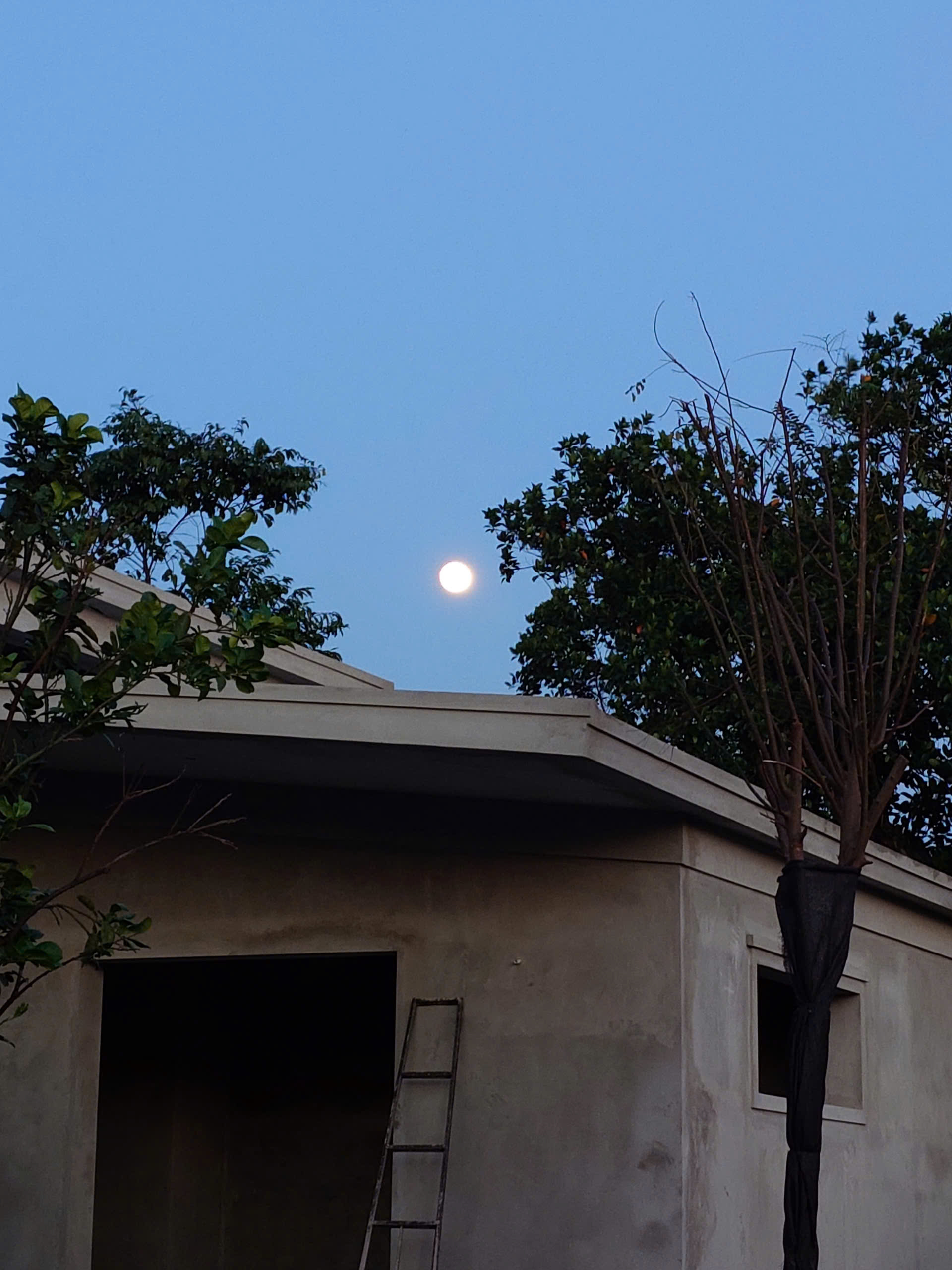
It seems that truly original ideas most often emerge in the early hours before dawn, when the sun has yet to rise, the city lies submerged in darkness, yet the mind has already awakened into a strangely lucid state. Perhaps it is precisely in this moment that human beings are able to fully comprehend their recent experiences as they are distilled into a vivid dream—sometimes deeply symbolic—and that one must genuinely detach from the banal, everyday self in order to fully perceive the subtlety of dreams, and more broadly, of art.
Regrettably, in reality such detachment is exceedingly difficult and at times impossible, once we have been swept into a desperate cycle of habits, modes of thought, and repetitive actions—coarse manifestations of a withering soul that has lost the childlike purity within us.
Nevertheless, in one way or another—most often through a distant journey, a significant life event, or encounters with truly remarkable individuals—this capacity for detachment can be reawakened. And when human perception becomes sufficiently refined, it signals a metamorphosis in one’s outlook on life. It is from this sacred moment that true artists emerge, conveying to the world messages that may appear distant or obscure, yet are in essence profoundly humane and richly poetic. These expressions may take many forms: poetry, literature, or in subtler ways, music and visual art. And regardless of the mode of expression, the artist always longs to preserve this state of perception, for it is fragile and easily lost once daylight returns and we are once again thrust into the trivial mechanisms of daily life.
Perhaps it is in dreams that imagination reaches its fullest development. The brief interval before we become fully awake—when the mind begins to function vigorously while the body remains at rest—unwittingly grants us the ability to experience a multitude of narratives with extraordinary depth, often imbued with symbolism. Abstract works are likely born from this very sensation. When the symbolic nature of dreams and emotional states grows more refined, we suddenly discover a new, delicate, and uncanny understanding of abstract or surreal ideas in painting. Only then do we begin to grasp, at least in part, the essence of things and events, of thinking itself, and of feeling—leading us to cherish and revere dreams.
One particularly remarkable phenomenon is that when we focus our thoughts on what we truly desire—and these desires must be pure ones—we are ultimately guided toward them, regardless of the form in which they manifest. Their origin may lie in the dream of “changing the world” that we nurture from childhood, where fairy tales and fables construct a grand and wondrous experience for nearly every child. As we grow into adulthood, our experiences multiply through countless events, images, and thoughts. Yet only when the sensations rooted in those original emotions remain almost intact are we able to perceive and filter, from this overwhelming abundance, symbolic images and mysterious signs—elements that awaken our deepest longings. Once again, these must arise from events, people, or experiences that stand apart from the ordinary.
Thus, whether one is able to understand and truly feel depends entirely on the ability to seize fleeting moments and to reflect upon them, to observe the world through a different lens. Only then can we unlock the latent power of perception, and recognize the indispensable role of symbols, dreams, and art.